Sustainability Spotlight | Gathered & Grown
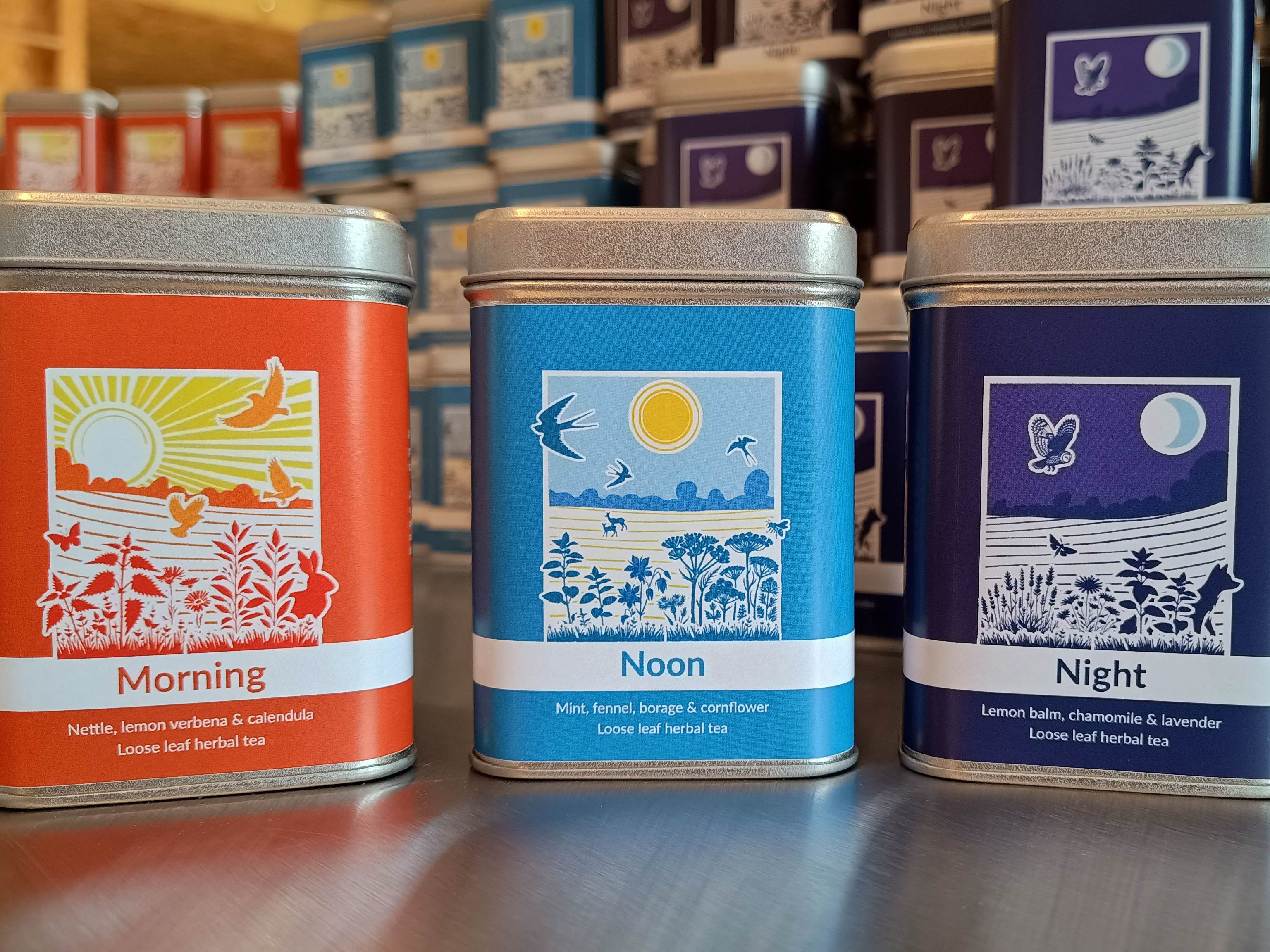
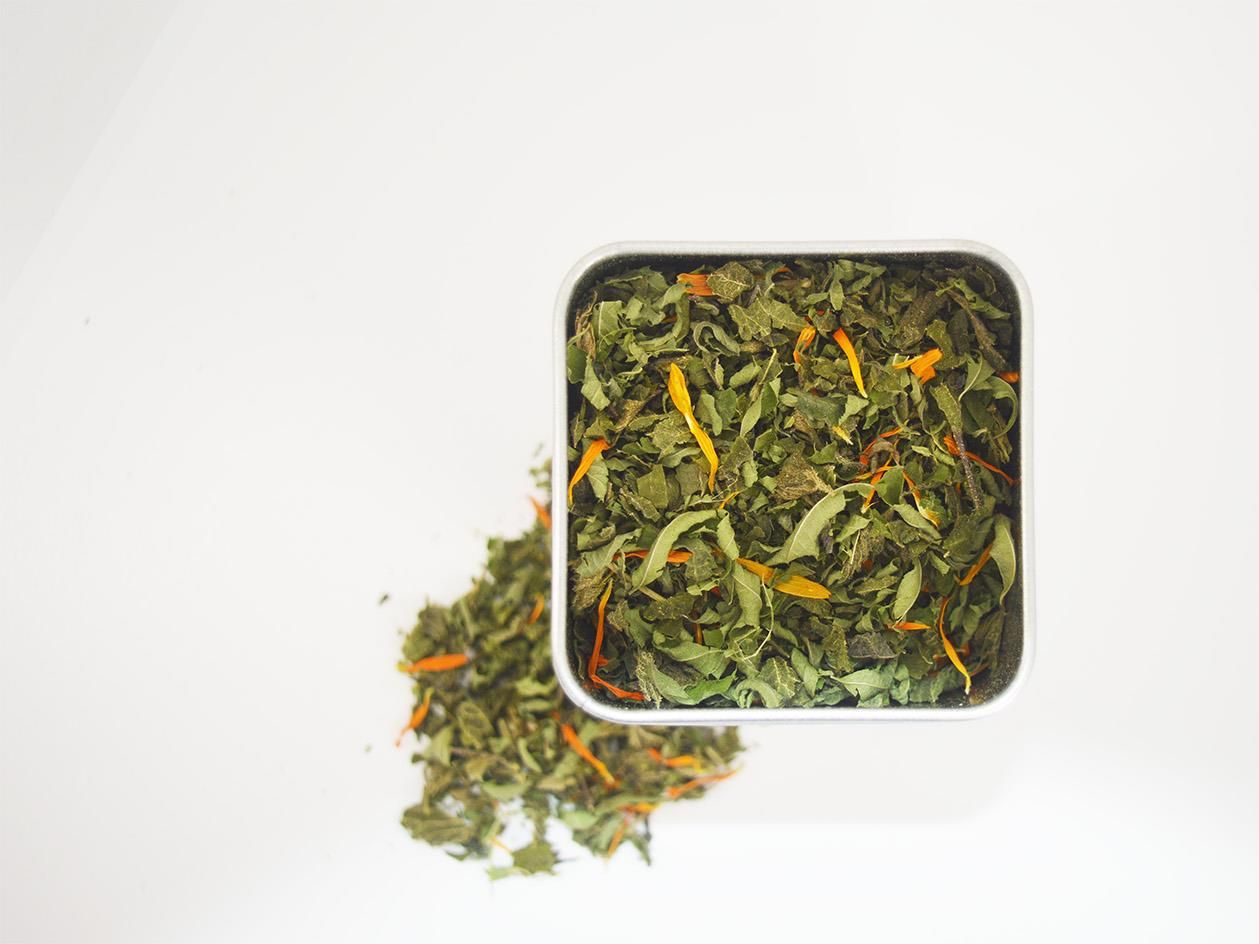
Gathered & Grown is a new herbal tea maker, focused on growing the highest quality herbs and doing so in a genuinely sustainable and environmentally positive way.
Set up by Ceri Richards and her husband Ben, they grow, dry and blend all of the ingredients on their five acre farm in East Devon.
Ceri started creating tea in 2018, making seasonal blends from foraged ingredients. This sowed a seed and after working in a market garden the couple decided to take the leap. In 2022 they bought five acres of land in East Devon and established Gathered & Grown.
With a background in ecology, foraging and horticulture, Ceri is in charge of the growing, drying and blending of their teas, with Ben helping on all things practical, admin and digital.
Food Drink Devon asked Ceri and Ben to tell us more about the sustainable ethos of their new herbal tea business .
What have you done to make your business more sustainable?
Being a relatively new business, we’ve designed all of the processes and products to be sustainable from the start.
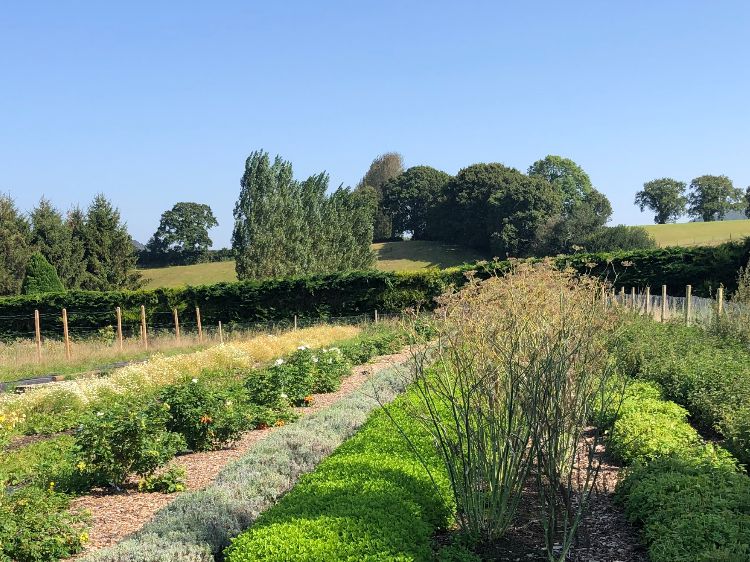
We don’t use any pesticides, herbicides, peat or artificial fertilisers as we’re in the process of certifying as organic and we also farm using a regenerative approach, so we add lots of organic material (local compost and woodchip) to our beds to build up our soil.
We’ve also dedicated half of our land to creating new habitats, planting new hedgerows and establishing a new orchard and wildflower meadow.
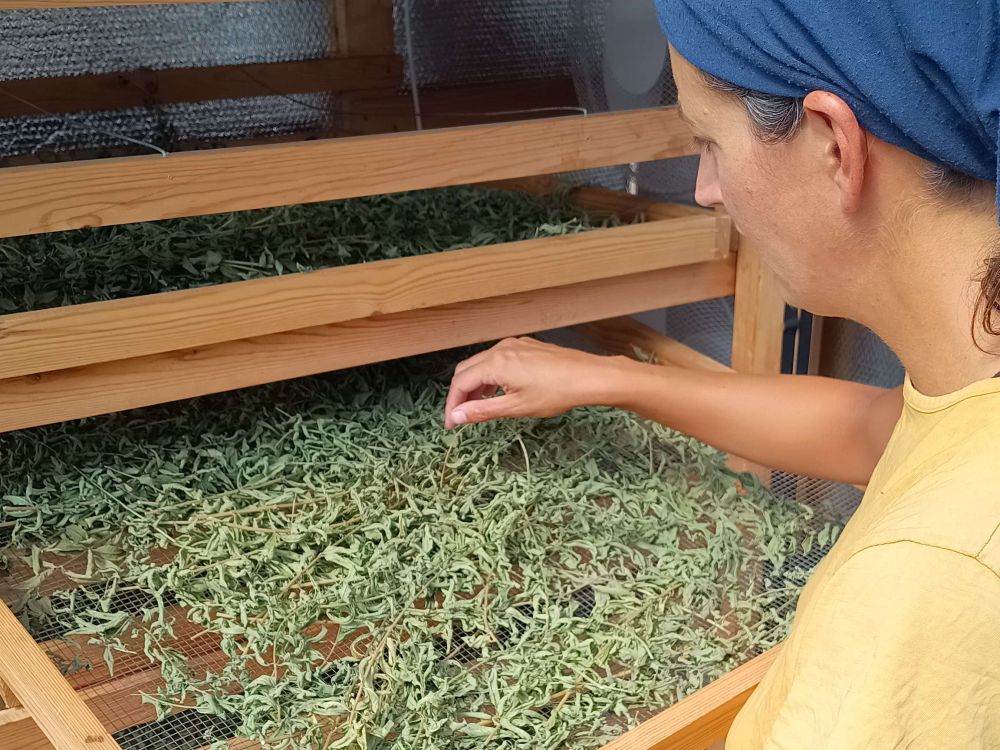
After harvesting, we dry our herbs in our custom-made racking in a dedicated polytunnel, as this means that we can generate nearly all of the heat needed from the sun. We’ve also set up solar panels and a battery on our barn so we can make electricity to power our fans and equipment. This, combined with the way we grow and dry our herbs, means that we are carbon negative, putting more carbon back into the soil than we produce across all of our processes.
All of our packaging is plastic-free and either recyclable or compostable and our main packing and storage building is clad in local timber and insulated with sheep wool.
How would you improve your sustainability credentials further?
We’re very proud of our progress so far, but there’s always more that we can do.
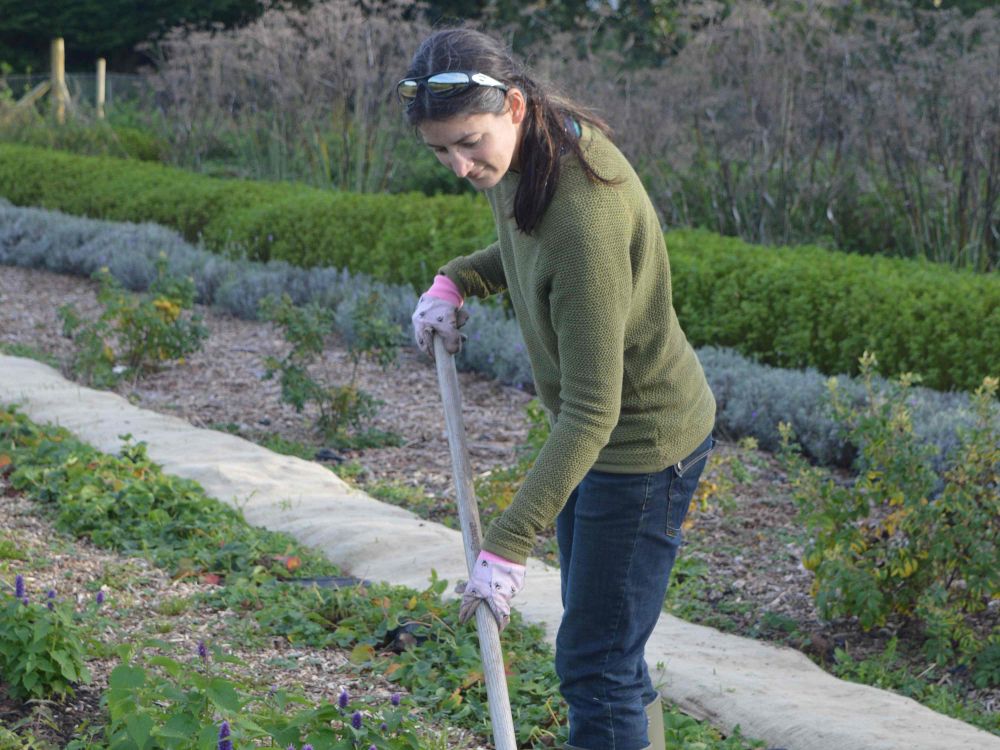
We’re focused on managing our land so we're building up the biodiversity on-site and will continue to improve the soil quality. Having that breadth of species above and below-ground is important to growing healthy herbs.
The majority of our equipment is electric and we’ve just switched our diesel vehicle for an EV, so we’re going to continue to look for ways that we can reduce our energy and resource consumption.
This includes increasing our water storage - we’ve intentionally grown plants that need minimal watering, but ongoing weather and climate changes mean that we want to be as self-sufficient as possible.
What are your tips for other businesses that want to become more sustainable?
Consider your principles in each decision
We’ve built our business with the two key targets of making great herbal tea and having a positive environmental impact, which has given us something to focus on when making decisions and has helped to guide us during the set up and growth of the business.
Some of the choices have been difficult, and we frequently find that the sustainable option is not the cheapest or easiest, but by keeping to our principles we can share our story with confidence and let people know the impact choosing our teas has.
Happiness is a metric!
Economic viability is important, but so are the social, personal and environmental benefits of running a sustainable business and it’s important to keep sight of them. Making positive choices not just sets us apart from mass-produced, imported herbal teas and ingredients but also makes for a wonderful place to work.
Check with your suppliers
A significant part of our environmental impact comes from our packaging. We found that many options that claim to be recyclable or biodegradable are most likely going to landfill due to the limitations of recycling facilities, so we’d recommend checking what really happens to plastic or biodegradable pouches once consumers have finished with them.
Ask for help
Sustainable farming is happening across Devon and there’s a wealth of support and experience out there. Whether it’s researching what others have done, getting another perspective on your activities or getting formal support and funding from the different council’s programmes across the county, we’ve found that we’re in a better position, sooner, than we would be without the help of others.
Trust the process
Regenerative or organic farming means trusting in a healthy ecosystem. Many times we’ve worried about the impact that pests may have on our herbs, but we always see the arrival of natural predators to address the balance!
Resilience
It’s not long since we launched our core range of herbal teas, but we’re already looking at the other plants that we can grow and the products that we can make with them.
It’s a fact that we’ll see good and bad years for different crops over the coming years, so the more flexibility we have in our product range the more the resilient we hope to be.
__