Sustainability Spotlight | Beacon Farms
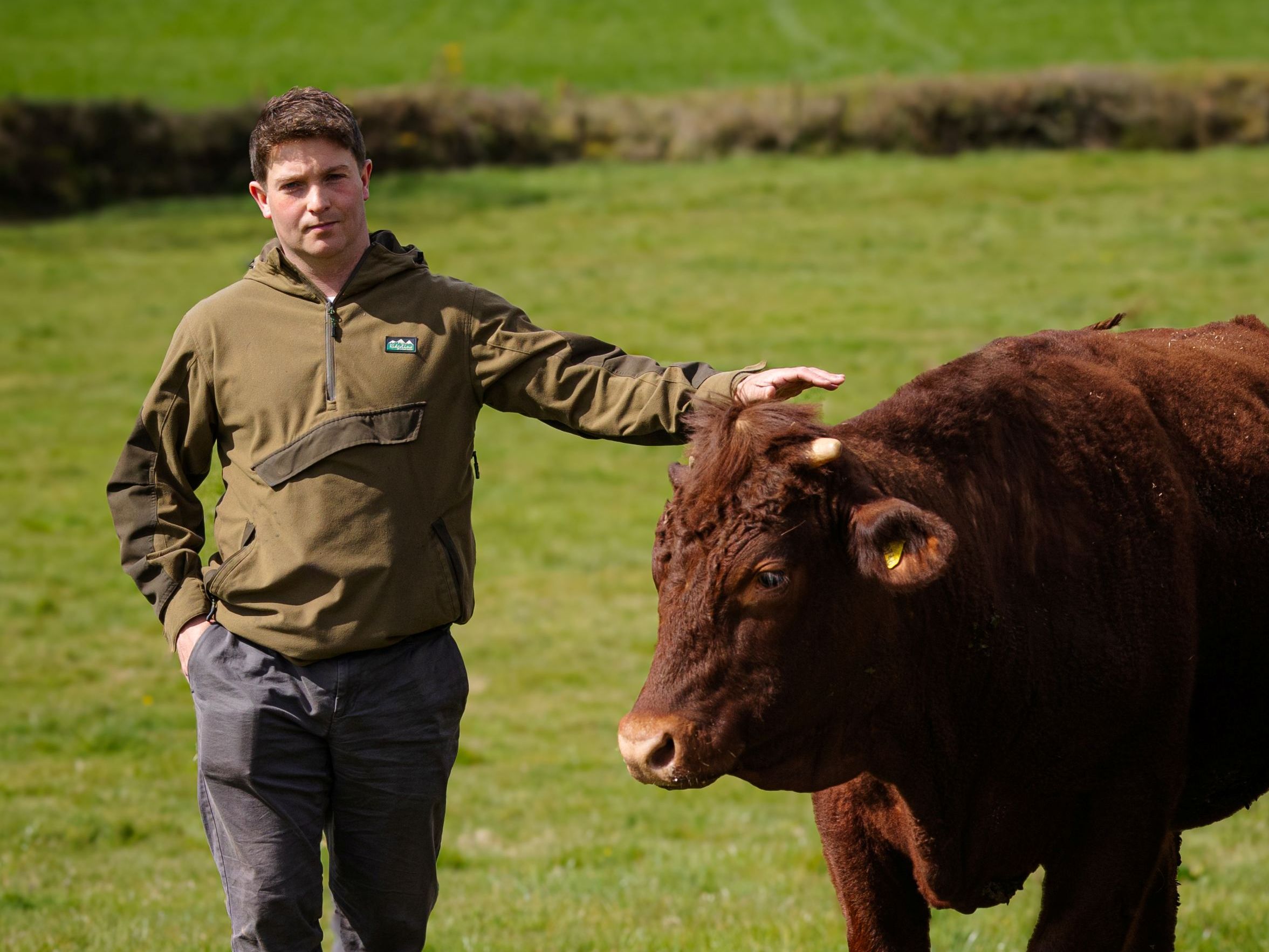
Founded in 2024 by siblings James, Will and Charlotte Vining, Beacon Farms builds a passion for good food and generations of family farming and butchery heritage.
With a love of pasture-raised, slow-grown, native breeds and dry-aged meat, producing proper food is in their blood.
Their ‘field to table’ produce connects people with the finest sustainably farmed food that’s sourced from a trusted collective of regenerative and traditional farmers who all share the belief that really great food comes from respecting the land, animals and craftsmanship. It is then dry-aged and prepared by a team of expert butchers using nose-to-tail practices and blast freezing to preserve quality and eliminate waste.
We asked them about their sustainability ethos, tips for fellow producers and future plans...
What have you done to make your business more sustainable?
Beacon Farms’ aim is to produce natural whole foods. Everything we do is for this purpose. It tastes better, it’s better for you and it’s better for the environment.
Conscious farming practices.
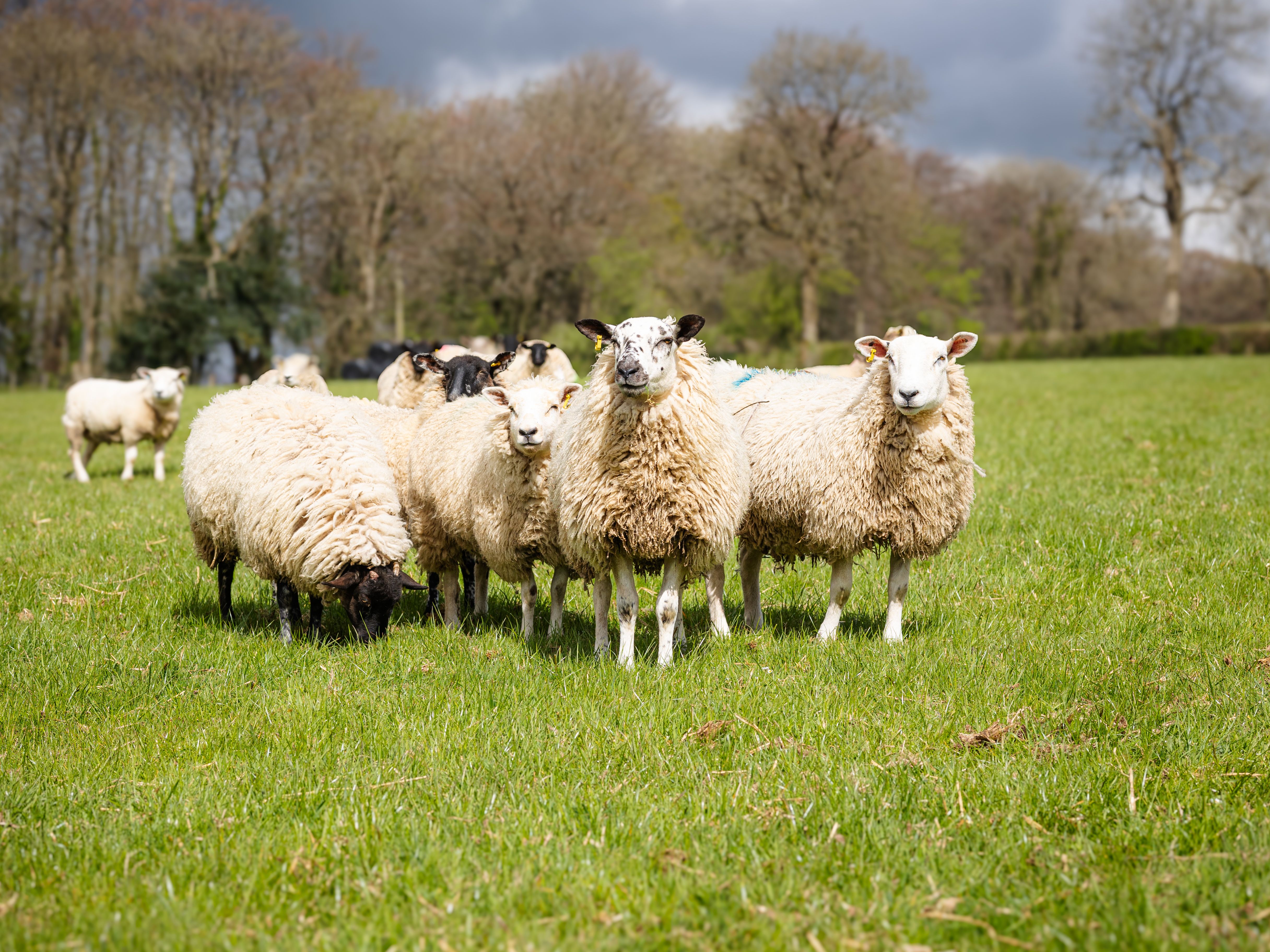
Food is produced in harmony with nature, and we select ‘beacon farmers’ based on their traditional and regenerative farm practices. Regenerative farming prioritises restoring soil health and ecosystem functions, often delivering a broader positive impact on the environment such as sequestering carbon than organic farming methods.
Blast frozen meat
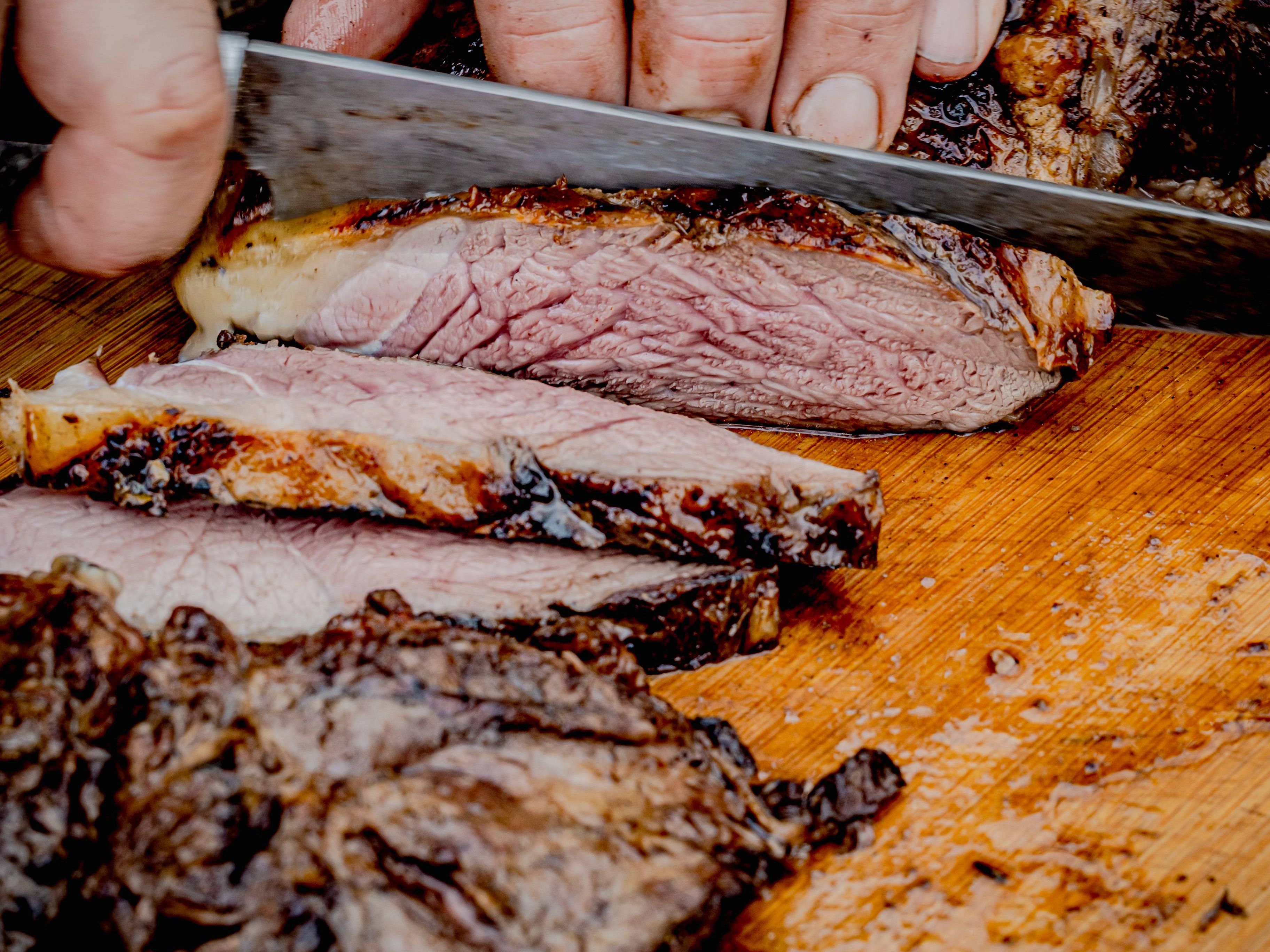
Freezing meat to preserve food without artificial preservatives is an age old technique and a more sustainable way to have meat delivered. The rapid freezing process means smaller crystals are formed, preventing cellular damage, so it stays fresher for longer and so the texture of the meat remains unchanged when defrosted.
Customers then have more time to eat the meat before spoilage, reducing the amount of meat that ends up being discarded as it’ll keep happily in the freezer. At Beacon Farms, no part of the animal is wasted and once it is blast frozen, it’ll all go to a good home.
Low food miles
Beacon Farms’ own farm is nine miles to the abattoir. We also work with carefully chosen partners who share the same values who are also nearby.
Vertical supply chain for total control
True quality starts from the ground up. Every part of the supply chain is under our control, from the pastures to the butchery and the finished product.

Wild venison stalked on Exmoor
Wild game is supremely free range, often naturally organic, having a lower carbon footprint than many other meats. Beacon Farms is sourced through conservation-led woodland management in Exmoor. This supports healthy deer populations - preventing the dominance of a single species and ensuring a stable ecosystem.
Clean energy
Electricity is generated through solar PV, reducing our carbon footprint.
Recyclable packaging
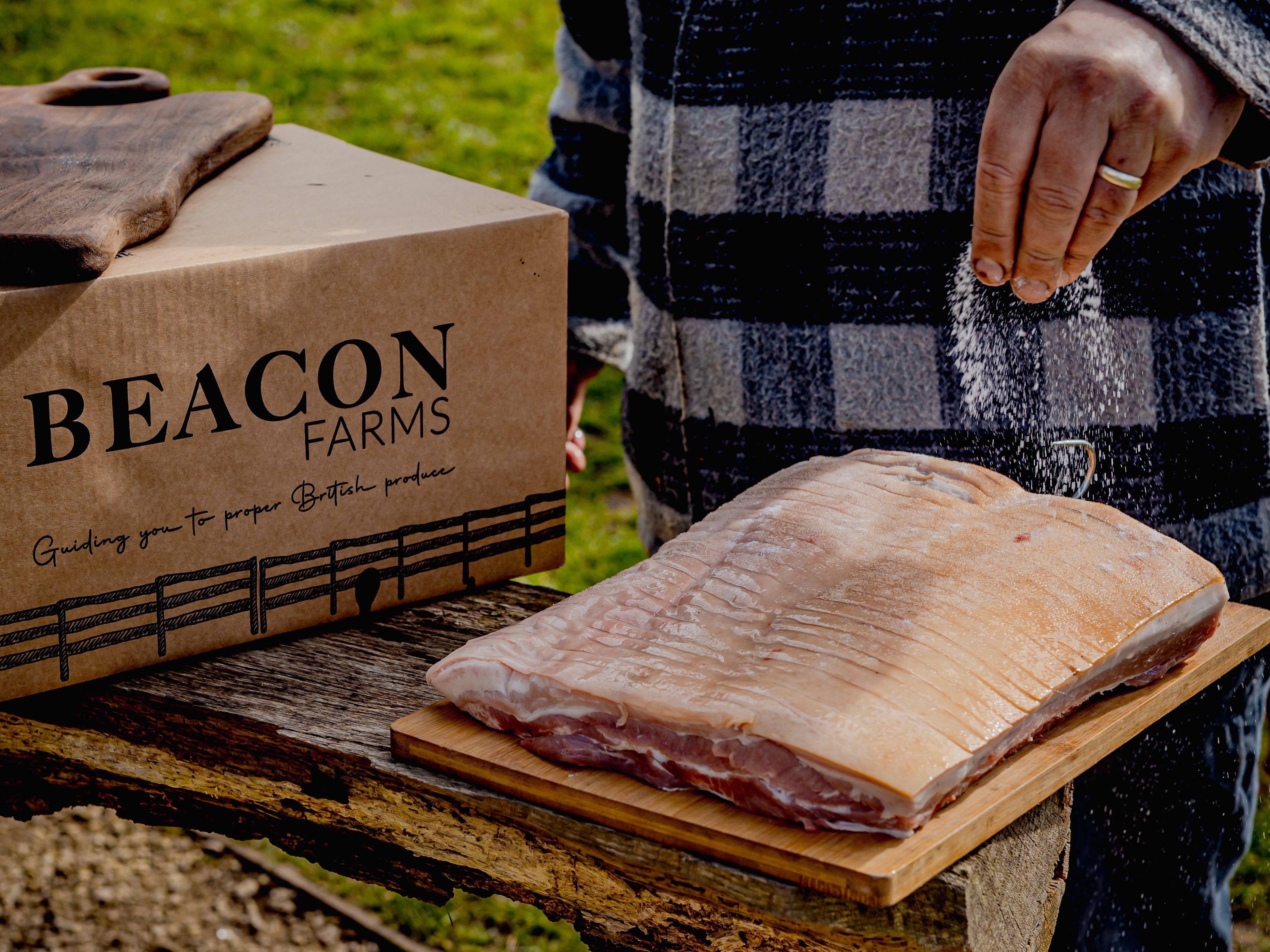
Every order is hand-packed with the utmost care to ensure meat arrives in perfect condition anywhere in the UK. Cardboard boxes are FSC certified - they come from responsibly managed forests, preserving biodiversity and water resources. Wool liners provide eco-friendly insulation that can be recycled or composted as well as breaking down to be a fertilizer. We use some recyclable plastics to keep everything perfectly frozen.
Carbon neutral delivery
We use a carbon-neutral service from DPD to off-set carbon emissions. This precisely measures carbon footprint per parcel and uses alternative fuel vehicles while investing in renewable energy projects.
What would you like to change in the future to improve your sustainability credentials further?
Beacon Farms’ vision for the future of sustainability goes beyond how we produce meat - it’s about inspiring a shift in how people think about food and being a beacon for others. That means leading by example: encouraging people to eat better quality, more responsibly sourced produce, and showing them that there is a better way than the supermarket status quo.
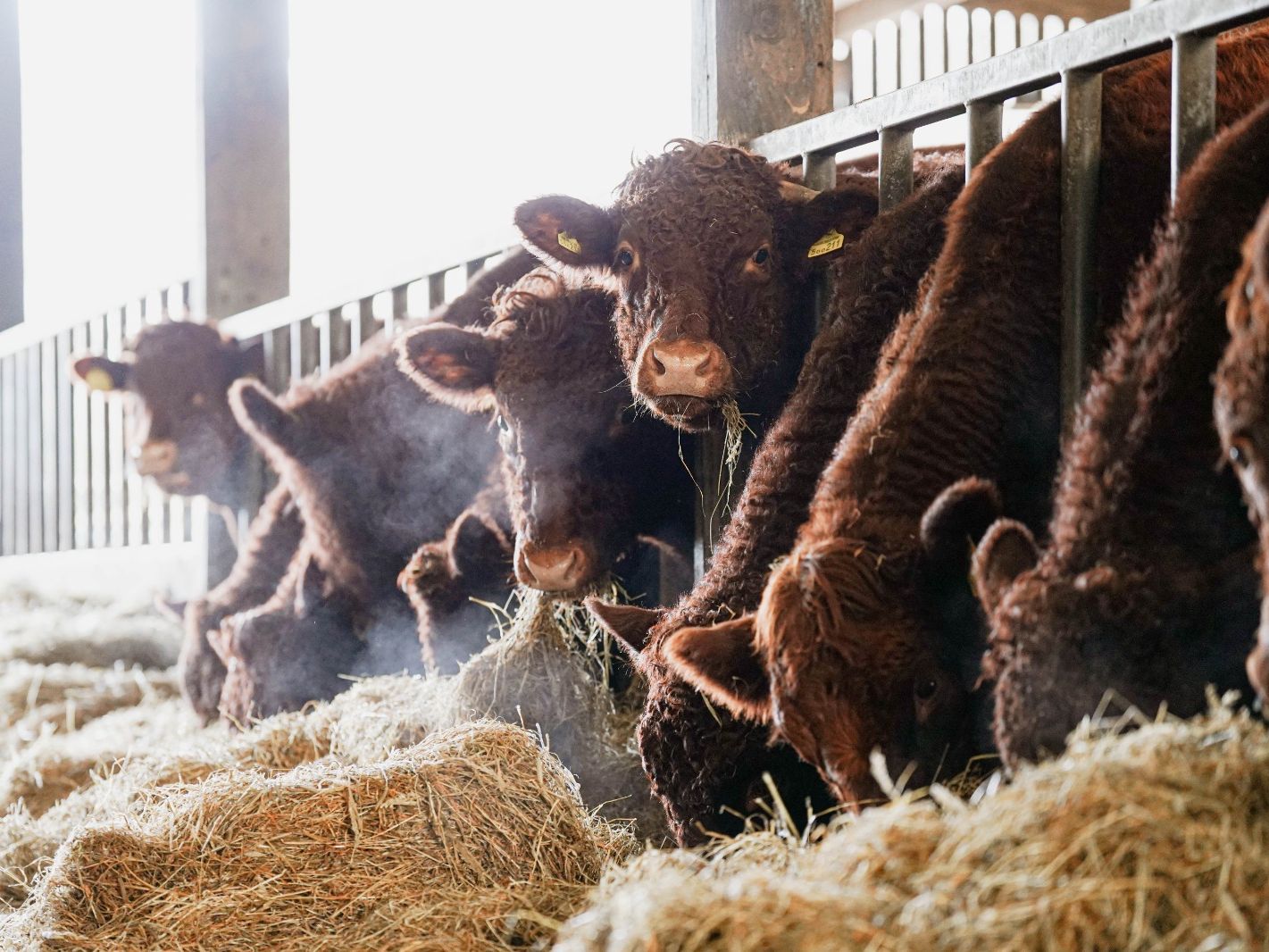
Industrial farming, driven by supermarket targets, has normalised cheap, fast-growing meat with little regard for environmental impact, flavour, or nutrition. Beacon Farms works with the land and the animals: using permanent pastures, low input systems, and slow food principles that results in naturally nutrient-dense, flavoursome meat.
Going forward, our goal is to create a nationwide community of conscious consumers who value quality over quantity, and who are willing to support ethical farming by paying a fair price, which is passed through to the skilled farmers and butchers. We want to challenge the idea that good food should be nourishing, fairly produced, and deeply respected.
Our ambition is not just to produce meat sustainably, but to help change the culture around food, so that eating less, but better, becomes the norm. Helping people understand where their food comes from, who made it, why it matters, and what good food really tastes like, will create a more resilient, ethical and environmentally sound food system for future generations.
What are your tips for other businesses that want to become more sustainable?
Sustainability should be at the core of your business, running through every part of your operations.
For Beacon Farms it means putting nature first, respecting the animal and refusing to compromise on quality or ethics in the name of scale. Sustainability doesn’t have to be perfect from the start - it’s a journey, but it does need to be intentional and honest.
Work backwards from your values.
We set out to make food with integrity. Choosing the right farmers to work with, farming consciously, prioritising welfare, using recyclable materials etc. Clear values lead to clear decisions.
Own or oversee your supply chain.
This is one of the best ways to ensure traceability, reduce waste and maintain quality.
Invest in preservation, not just production.
For Beacon Farms, blast freezing became a game-changer. It reduces waste and allows us to get as much value from products as possible. Look for ways you can extend the life of your product in a natural, low impact way - it’s often more sustainable than scaling up output.
Support real people, not just systems.
Sustainability is as much about people as it is about the planet. Build strong, respectful relationships with your suppliers. Champion craftsmanship and listen to your customers. The more human your business is, the more grounded and future-proof your sustainability commitment will be.
Be pioneering.
True sustainability can run counter to conventional industry logic. Retail giants prioritise volume and convenience, but there’s a growing appetite for businesses that do things the right way - even if it's slower and less flashy. Own that space and do some long-term good.