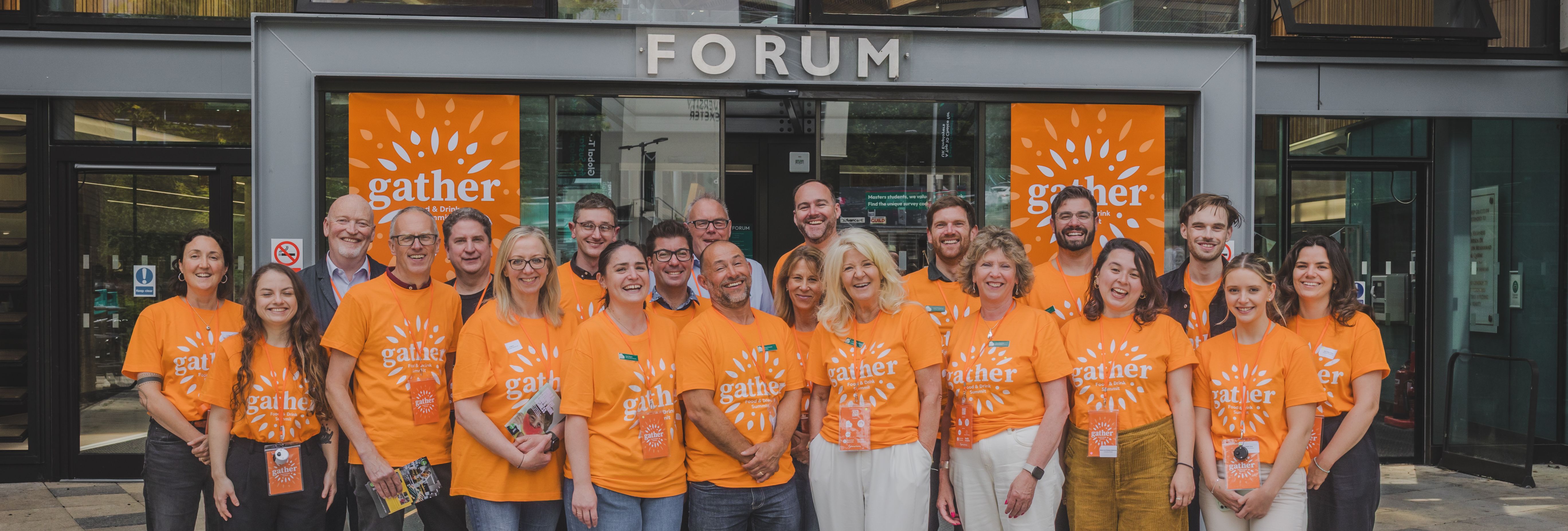
Thanks to the wonderful enthusiasm, participation, and feedback from 2025's attendees, we’re delighted to announce that Gather will be returning on Wednesday 10th June 2026!
Discover, connect and grow with Gather - a unique event created by Food Drink Devon in collaboration with the University of Exeter and supported by local partners including Devon Food Partnership, Maia Growth, Bishop Fleming, Buddy Creative and Clockwork Marketing.
Designed to help you gain fresh insights, build valuable connections, and explore strategies to future-proof your business, Gather brings the region’s food and drink community together for a day of inspiration and exchange.
Subscribe below to be the first to hear when tickets go live:
Hot Takes from Gather 2025:

Marketing & Branding: Crafting Identity That Sells
“From Farm to Fame: Building Brands That Stick”
A compelling brand story is more than a logo or tagline — it’s the emotional thread that connects your product to your customer. Start by defining your “why”: What drives your business? Is it heritage, sustainability, innovation, or community? Use this to shape your messaging across packaging, signage, and digital platforms.
For independent retailers, the in-store experience is your stage. Think multisensory: scent, lighting, layout, and storytelling displays that immerse shoppers in your brand world. Use QR codes to link products to origin stories or recipes. For producers selling to retailers, arm them with shelf-ready assets — clear USPs, tasting notes, and promotional materials that make your product easy to sell.
Hospitality businesses should treat their online presence like a digital storefront. Ensure your Google Business Profile is complete and updated weekly. Use high-quality images, respond to reviews, and post regularly. SEO matters — include keywords like “West Country artisan cheese” or “farm-to-table Devon dining” in your website copy.
To drive bookings, integrate booking platforms with social media, offer limited-time promotions, and collaborate with local influencers. Visibility leads to volume — and volume leads to growth.
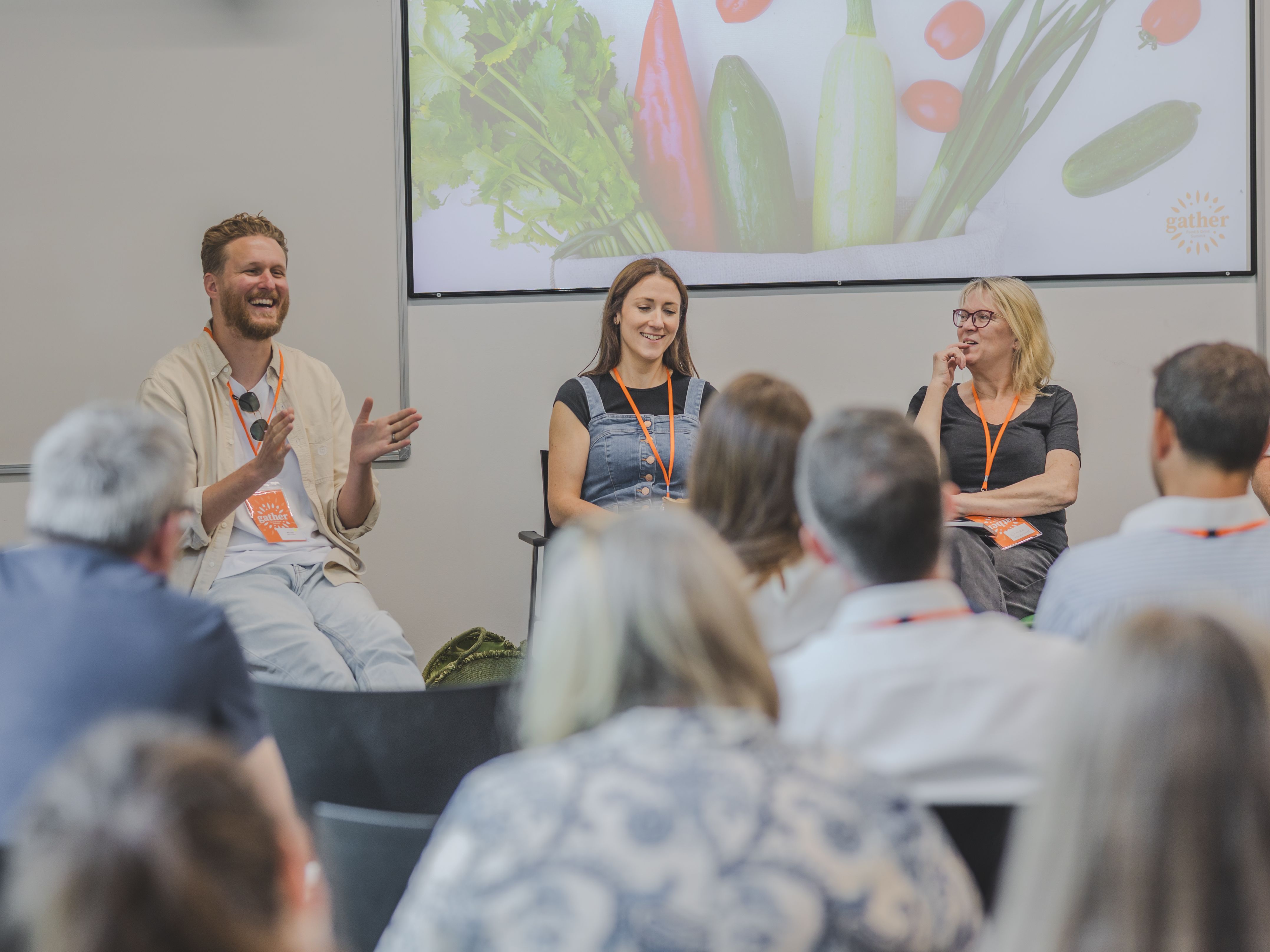
Insights & Innovation: Staying Ahead of the Curve
“What’s Cooking in 2025 and beyond: Trends That Matter”
Consumer tastes are shifting fast, toward health, sustainability, and authenticity. To stay relevant, food and drink businesses must innovate with purpose. Start by tracking trends: gut health, low-alcohol drinks, regenerative farming, and hyper-local sourcing are gaining traction. Use tools like Google Trends or Mintel reports to spot what’s rising.
Hospitality menus should balance indulgence with wellness. Offer plant-forward options, reduce portion sizes to cut waste, and highlight provenance. Profitability comes from smart sourcing and menu engineering - use costed recipes and track dish popularity to refine offerings.
Producers should consider clean labels, functional ingredients (like adaptogens or protein-rich grains), and sustainable packaging. Innovation doesn’t mean complexity — it means relevance. Test new products at farmers’ markets or pop-ups before scaling.
Environmental impact matters. Highlight carbon-conscious choices in your marketing. Consumers want to support businesses that care - and they’ll pay a premium for it. Innovation is not just about what’s new, but what’s meaningful.

Sales & Routes to Market: Getting Products and Brands into Hands
“From Kitchen to Basket: Selling Smarter”
Sales success starts with understanding your customer journey. For hospitality businesses, every touchpoint - from booking to bill - should feel seamless and personal. Train staff to upsell with authenticity, use digital menus to highlight specials, and follow up with post-visit thank-yous or offers.
Producers looking to work with retailers must think like buyers. Retailers want products that sell themselves. Create a pitch pack with pricing, shelf-life, margin, and promotional support. Offer tasting samples and be flexible with delivery terms. Build relationships — not just transactions.
Online sales are a powerful route to market. Start with a simple e-commerce site using platforms like Shopify.. Focus on storytelling, product photography, and clear calls to action. Use email marketing to nurture repeat customers and offer bundles or subscriptions to increase basket size.
Don’t overlook marketplaces like Not On The High Street or Farmdrop. They offer exposure and logistics support. The key is consistency - in branding, fulfilment, and customer service. Whether you’re selling a bottle of cider or a tasting menu, make the experience memorable.

Fit To Grow: Building Sustainable, Scalable Businesses
“Grow Green, Grow Strong: The Future of Food Business”
Growth isn’t just about getting bigger, it’s about getting better. Sustainable scaling starts with clarity: What does success look like for your business? More revenue, more reach, or more impact?
Start by auditing your operations. Where can you reduce waste, energy use, or packaging? Small changes like switching to compostable containers or sourcing locally, can make a big difference. Communicate these efforts clearly; eco-conscious consumers want transparency.
People are your biggest asset. Invest in training, wellbeing, and culture. A motivated team delivers better service and drives innovation. Compliance matters too. Stay ahead of food safety, allergen labelling, and employment regulations. Use tech to streamline processes, from inventory to payroll.
Plan for growth with realistic forecasting. Understand your break-even point, cash flow needs, and capacity limits. If you’re expanding, consider modular kitchens, mobile units, or shared production spaces. Collaborate with other local businesses to share resources and reach new audiences.
Sustainability isn’t a trend, in fact it’s transforming already into regenerative and restorative - it’s a business imperative. When you grow with purpose, you build resilience, loyalty, and long-term success
Case Studies from the South West
The South West is home to a diverse and dynamic food and drink sector where craft, innovation, and local heritage power business growth. The following case studies showcase how independent producers are excelling across the four key themes: Marketing & Branding, Insight & Innovation, Routes to Market, and Fit to Grow. From compelling storytelling and resilient supply chains to smart distribution strategies and award-winning quality, these examples highlight the creativity, ambition, and authenticity driving success across our region.
Marketing & Branding
1. Thunderflower Gin - Foraging Meets Storytelling
Thunderflower is a micro-distillery near Cullompton, crafting small-batch, artisanal gins using foraged botanicals and bottling them by hand, complete with numbering for that personal touch. Their branding leans into their botanical foraging story and artisanal methods — a narrative that resonates deeply with consumers seeking provenance and authenticity. By leaning into these local storytelling elements, they embody how compelling branding can elevate premium positioning and attract curious buyers.
2. Mrs Gills Country Cakes - Heritage, Quality and Inclusivity
Operating out of Tiverton, Mrs Gill’s uses locally sourced free-range eggs and English butter to hand-bake rich, sought-after Christmas and loaf cakes, now also offered in gluten-free and vegan options. By emphasising heritage baking methods and expanding into inclusive variants, they’ve broadened their appeal while staying rooted in quality and local provenance — a great example of how brand values and product accessibility can work hand in hand.
Insight & Innovation
3. Fika Exeter - Ancient Grains, Modern Resilience
This artisan Swedish micro-bakery in Exeter (run by Annika Skoogh Naish) uses organic, locally-grown wholegrain and population wheat varieties that offer biodiversity and resilience. She mills all her grain in-house and participates in the South West Grain Network’s “True South West Flour Project.” This approach marries innovation in supply-chain and ingredient sourcing with environmental resilience. A smart, traceable, niche offering that stands out.
4. Beacon Farms - Traditions Reinvented for Wide Access
Beacon Farms blends traditional butchery and responsible farming to produce grass-fed beef, lamb, free-range pork, poultry, and wild game. After starting back-to-basics on a small Devon farm, they scaled thoughtfully by partnering with like-minded producers and offering nationwide online delivery. Their innovation lies in rethinking distribution channels and partnerships to scale sustainably.
Routes to Market
5. Clive’s Purely Plants - From Local to National Shelves
Clive’s, a 100% vegan and organic bakery, grew from humble beginnings in Buckfastleigh to securing listings in over 400 Asda outlets and SPAR stores across the South West, bringing their plant-based bakes into mainstream retail. They did this by expanding capacity, securing investment, and adopting nationwide distribution while staying true to their Devon roots.
6. Lovaton Farm - Direct-to-Consumer with Traceability
Lovaton Farm, a family-run Devon farm known for awards and Good Housekeeping recognition, sells Dexter and Lleyn meat directly from their in-house butchery via mail order and direct farm sales. They customise cuts for customers and ensure delivery by noon, reinforcing traceability and personal service, a strong direct route to market for quality-conscious consumers.
Fit to Grow
7. Sandford Orchards - Award-Winning Focus with Strategic Range
Sandford Orchards, housed in Britain’s oldest working cider mill in Crediton, won gold for all four ciders entered in a recent Taste of the West Awards. Their ability to focus relentlessly on cider quality while maintaining a range (session, vintage, rosé, etc.) demonstrates disciplined growth via product excellence and reputation, a scalable strategy rooted in expertise.
8. Lyme Bay Winery - Scaling with Quality Recognition
Lyme Bay Winery, based in Devon’s Axe Valley, produces still and sparkling wines, meads, fruit wines, ciders, and liqueurs, and recently scored gold in both the DWWA (Drapers World Wine Awards) and regional Great Taste of the West awards. This demonstrates how affirming quality through external recognition can support growth by unlocking new retail opportunities and building credibility.